

Introduction
In today’s competitive manufacturing landscape, material choice is no longer limited to engineering departments. Businesses now understand that material choice directly impacts product quality, operational efficiency, customer satisfaction, and long-term profitability.
What was once considered a technical decision has now become a major business strategy.
Beyond Engineering: The Business Impact of Material Choice
The right material choice plays a critical role in determining product durability, maintenance requirements, and manufacturing consistency.
Poor-quality materials often result in:
- Product failures and defects
- Increased maintenance costs
- Higher replacement frequency
- Production downtime
- Customer complaints and returns
These issues create hidden expenses that directly affect profitability and business performance.
On the other hand, smart material choice helps manufacturers improve reliability, reduce lifecycle costs, and maintain consistent quality standards.
How Material Choice Influences Brand Perception
Customers today don’t just purchase products—they invest in reliability and long-term performance.
High-quality material choice ensures:
- Better product finish
- Consistent durability
- Improved product lifespan
- Premium brand perception
Manufacturers that prioritize strong material choice position their brands as dependable and quality-focused in competitive markets.
In many industries, reputation is built through customer experience, and material choice has a direct influence on that experience.
Building Customer Trust Through Better Material Choice
Customer trust is built through consistent product performance. Poor durability and recurring defects can quickly damage business relationships and brand value.
Reliable material choice helps businesses:
- Deliver consistent product quality
- Reduce warranty and replacement issues
- Improve customer satisfaction
- Increase repeat business opportunities
When customers experience long-lasting performance, they naturally develop stronger confidence in the brand. This is why manufacturers increasingly view material choice as a long-term investment rather than just a production requirement.
Why Manufacturers Are Prioritizing Better Materials
Across industries such as automotive, industrial hardware, construction, and consumer goods, companies are adopting advanced materials to improve performance and reduce operational risks.
Modern manufacturing strategies now focus on:
- Long-term value instead of short-term savings
- Reduced lifecycle costs
- Improved operational efficiency
- Stronger competitive positioning
Businesses making smarter material choice decisions are better prepared for evolving customer expectations and global competition.
Material Choice as a Competitive Advantage
Today, material choice is more than a backend engineering decision—it is a competitive advantage that affects product reliability, operational costs, brand reputation, and customer loyalty.
Manufacturers investing in better material choice strategies gain:
- Higher product consistency
- Lower operational costs
- Improved market reputation
- Better long-term profitability
As manufacturing standards continue to evolve, strategic material choice will remain essential for sustainable business growth.
Conclusion
The importance of material choice extends far beyond technical specifications. It influences product performance, customer trust, brand positioning, and long-term business success.
Manufacturers that treat material choice as a strategic business decision are more likely to achieve stronger operational efficiency, higher customer satisfaction, and sustainable growth in competitive markets.
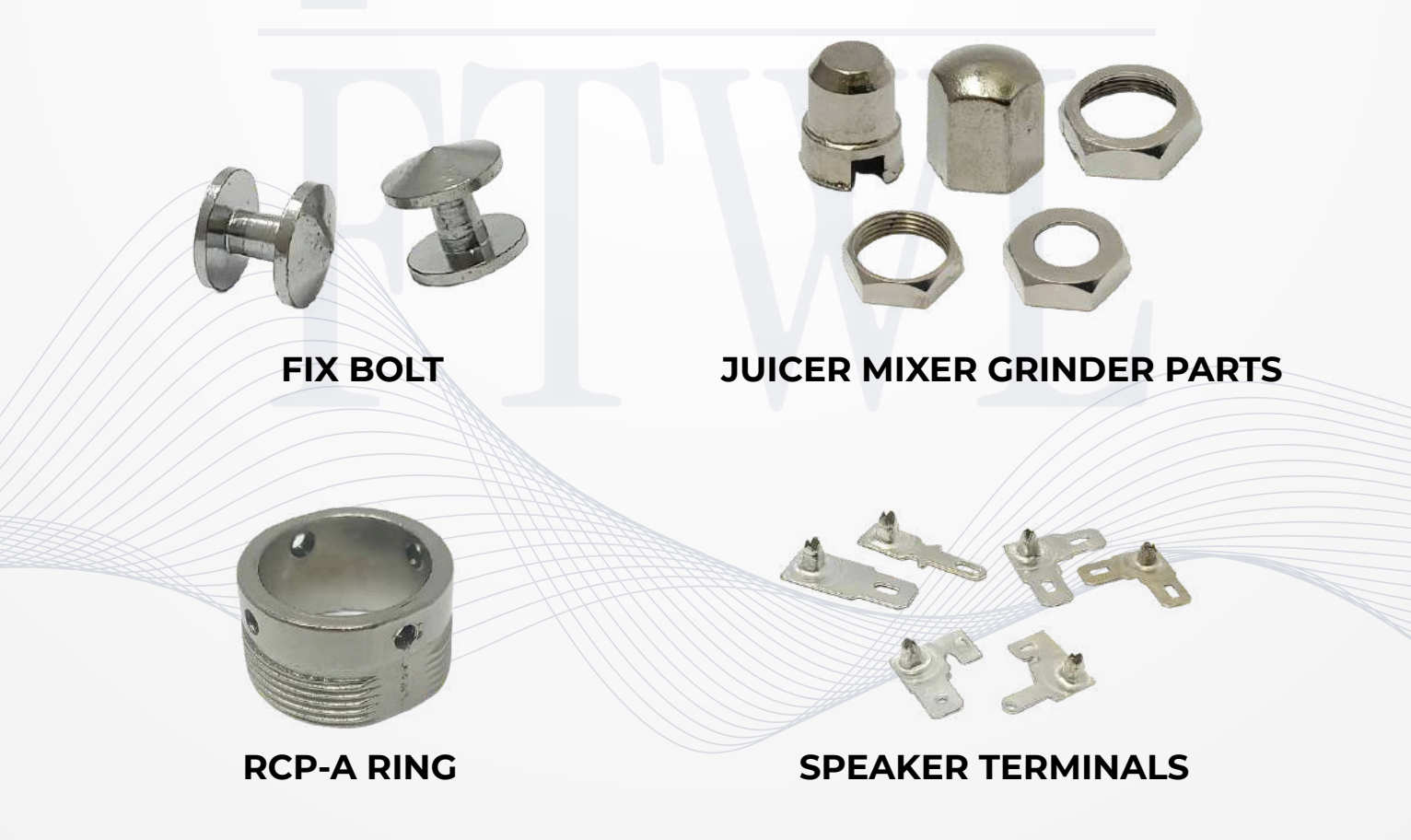
Explore Our – HARDWARE COMPONENTS