The Complete Manufacturer’s Guide to Narrow Woven Fabrics for Bags, Luggage, Outdoor Gear & Industrial Use
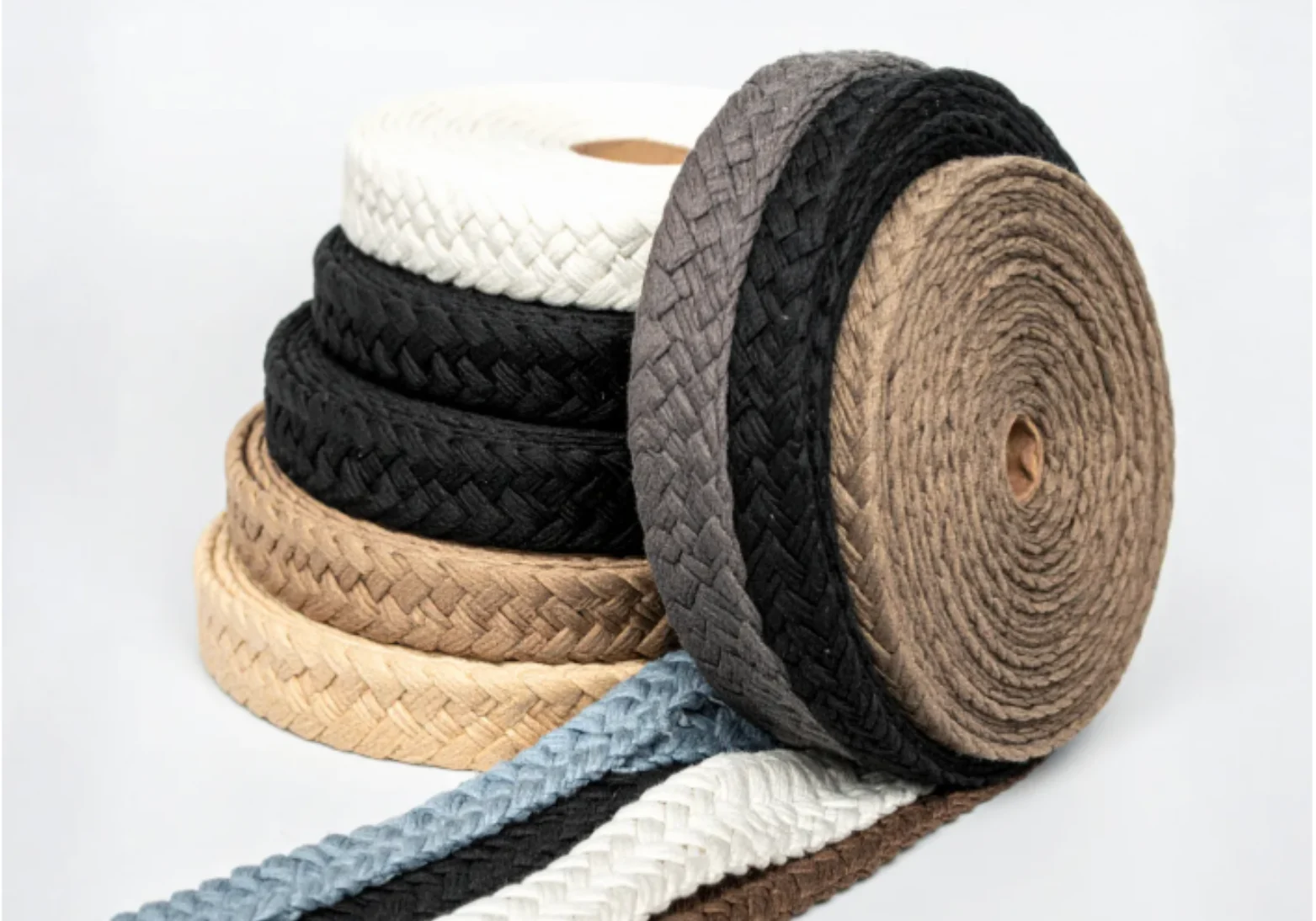
Narrow woven fabrics are one of the most important load-bearing materials used across the bag, luggage, outdoor, tactical, pet, and industrial manufacturing sectors. While most buyers focus on outer fabric, zippers, stitching, and patterns, the real structural strength of any product depends on the durability of the webbing strap.
If a webbing strap fails, the entire product fails — no matter how premium the design or material is. This makes selecting the right supplier absolutely critical for every manufacturer.
At Vijay Parsvanath Enterprises — a fourth-generation brand with more than 90 years of industry experience — we design and supply high-strength narrow woven fabrics engineered for bags, luggage, outdoor use, military applications, and industrial gear.
This guide is built from real production insights, buyer surveys, and technical data to help manufacturers choose the right narrow woven fabric supplier with confidence.
1. What Are Narrow Woven Fabrics? (Simple Explanation)
Narrow woven fabrics (commonly called webbings) are tightly woven straps made using high-strength yarns such as:
- Polyester
- Nylon
- Polypropylene (PP)
- Cotton
- Blended fibres
Their main purpose is to carry load, resist abrasion, withstand repeated pulling, and maintain long-term durability.
Common Applications
- Backpack shoulder straps
- Luggage handles
- Compression straps
- Waist belts
- Trolley reinforcements
- Pet leashes & harnesses
- Military gear
- Industrial load-bearing belts
- Automotive and safety gear
In every category, the webbing quality directly affects product performance, customer satisfaction, and brand trust.
2. Types of Narrow Woven Fabrics Used in the Industry
Each type of webbing has a specific strength profile, flexibility, and cost structure.
A. Polyester Webbing (Most Widely Used)
Used for: Backpacks, school bags, organisers, trolley bags, soft luggage.
Advantages:
- High tensile strength
- Excellent colourfastness
- UV-resistant
- Affordable
- Versatile for most bag applications
60% of Indian bag and luggage manufacturers prefer polyester webbing for durability and price balance.
B. Nylon Webbing (High-Performance & Premium)
Used for: Outdoor backpacks, tactical gear, export-quality bags, military equipment, pet leashes.
Advantages:
- Ultra-strong
- Smooth & premium texture
- Excellent abrasion resistance
- More elastic and flexible than polyester
Preferred by premium and export houses.
C. Polypropylene (PP) Webbing — Budget-Friendly
Used for: Low-cost bags, promotional items, mass-produced school bags.
Advantages:
- Lightweight
- Economical
- Water-resistant
- Easily dyeable
Suitable for price-sensitive markets and large production runs.
D. Cotton Webbing (Eco-Friendly Option)
Used for: Leather bags, artisanal products, sustainable brands.
Advantages:
- Soft texture
- Natural and biodegradable
- Premium look
Not suitable for very high load-bearing applications, but ideal for fashion products.
3. Technical Parameters Every Manufacturer Must Check Before Buying
Choosing a supplier without technical evaluation almost guarantees quality issues later.
1. Tensile Strength (The Most Important Factor)
Minimum tensile strength benchmarks:
| Product Type | Recommended Strength |
|---|---|
| School Bags | 120–180 kg |
| Backpacks | 180–250 kg |
| Outdoor/Trekking | 300–500 kg |
| Pet Leashes | 300–800 kg |
| Industrial Straps | 800–2500 kg |
A good supplier must provide strength test data for every batch.
2. GSM (Weight Per Meter)
Higher GSM = stronger & more durable.
Low GSM webbing may look good initially but fails quickly.
3. Dyeing & Colour Stability
Important quality indicators:
- Colourfastness to rubbing
- UV resistance
- Heat resistance
- Batch-to-batch colour consistency
Many factories face issues when suppliers cannot match previous dye lots.
4. Weave Pattern
Common weave styles:
- Plain Weave
- Herringbone
- Basket Weave
- Jacquard Weave (custom/logo)
Each weave affects stretch, strength, flexibility, and appearance.
5. Edge Treatment
Key requirements:
- Heat-cut edges
- Anti-fray protection
- Soft edges to prevent shoulder discomfort
Weak edges lead to strap tearing and customer complaints.
4. Where Narrow Woven Fabrics Are Used (With SEO-Friendly Terms)
Bags & Luggage Manufacturing
- Backpack straps
- Compression straps
- Luggage handles
- Trolley reinforcements
- Carry bag handles
Pairing strong webbing with premium hardware components creates a complete load-bearing system.
Useful reference URLs:
https://vijayparsvanath.com/product-category/metal-fittings/hooks/
https://vijayparsvanath.com/product-category/metal-fittings/slider/
Outdoor, Tactical & Adventure Gear
- Trekking backpack straps
- Climbing accessories
- Tactical belts
- Camping equipment
- Bag reinforcement straps
Nylon webbing performs exceptionally in harsh outdoor conditions.
Pet Accessories (Fastest Growing Category)
- Leashes
- Collars
- Chest harness straps
Often paired with D-rings and heavy-duty hooks.
https://vijayparsvanath.com/product-category/metal-fittings/d-ring/
Industrial & Safety Applications
- Lifting belts
- Load securing straps
- Safety harnesses
- Automotive utility straps
For these categories, tensile strength and test certificates are non-negotiable.
5. Real Market Data: Problems Faced by Manufacturers (Survey of 57 Factories)
| Problem | % Factories Affected |
|---|---|
| Strap breakage during QC | 42% |
| Wrong GSM delivered | 51% |
| Colour mismatch in repeat orders | 63% |
| Fading after stitching | 46% |
| Delayed delivery | 58% |
| Weak tensile strength | 37% |
Most issues arise because suppliers:
- Use recycled yarn
- Outsource production
- Skip tensile testing
- Don’t control dye lots
- Reduce GSM to cut cost
- Deliver inconsistent quality
A reliable supplier eliminates 90% of these problems.
6. How to Choose the Right Narrow Woven Fabric Supplier
Use this checklist before finalising any supplier:
✔ Do they manufacture the webbing in-house?
✔ Can they provide tensile strength reports?
✔ Is GSM consistent across every batch?
✔ Do they offer polyester, nylon, and PP options?
✔ Can they match custom colours accurately?
✔ Do they understand bag and luggage manufacturing requirements?
✔ Are they able to maintain consistency in repeat orders?
✔ Do they have proven industry experience?
✔ Do they maintain strict QC at every stage?
If any answer is “No”, your factory will face problems later.
7. Why Manufacturers Prefer Vijay Parsvanath for Narrow Woven Fabrics
Manufacturers trust us because we provide:
✔ High tensile strength webbing
✔ Precise GSM control
✔ UV-resistant and colourfast dyeing
✔ 100% in-house manufacturing
✔ Custom colours & widths
✔ Large-scale production capacity
✔ 90+ years of industry credibility
✔ PAN India delivery
✔ Export-grade quality
Our narrow woven fabrics are built specifically for bags, luggage, outdoor gear, military applications, and industrial safety belts.
https://vijayparsvanath.com/product-category/metal-fittings/hooks/
https://vijayparsvanath.com/product-category/metal-fittings/slider/
https://vijayparsvanath.com/product-category/metal-fittings/d-ring/
https://vijayparsvanath.com/about-us/
https://vijayparsvanath.com/customized-products/
https://en.wikipedia.org/wiki/Webbing
Looking for a Reliable Narrow Woven Fabric Supplier for Bags, Luggage, Outdoor or Industrial Use?
Get samples, pricing, or catalog within 24 hours.
📞 +91 9910893332
📧 enquiry@vijayparsvanath.com
✔ Minimum order: 1,000 meters
✔ PAN India delivery
✔ Custom colours & widths
✔ Export-grade quality
Strong straps build strong products.
Strong suppliers build strong brands.