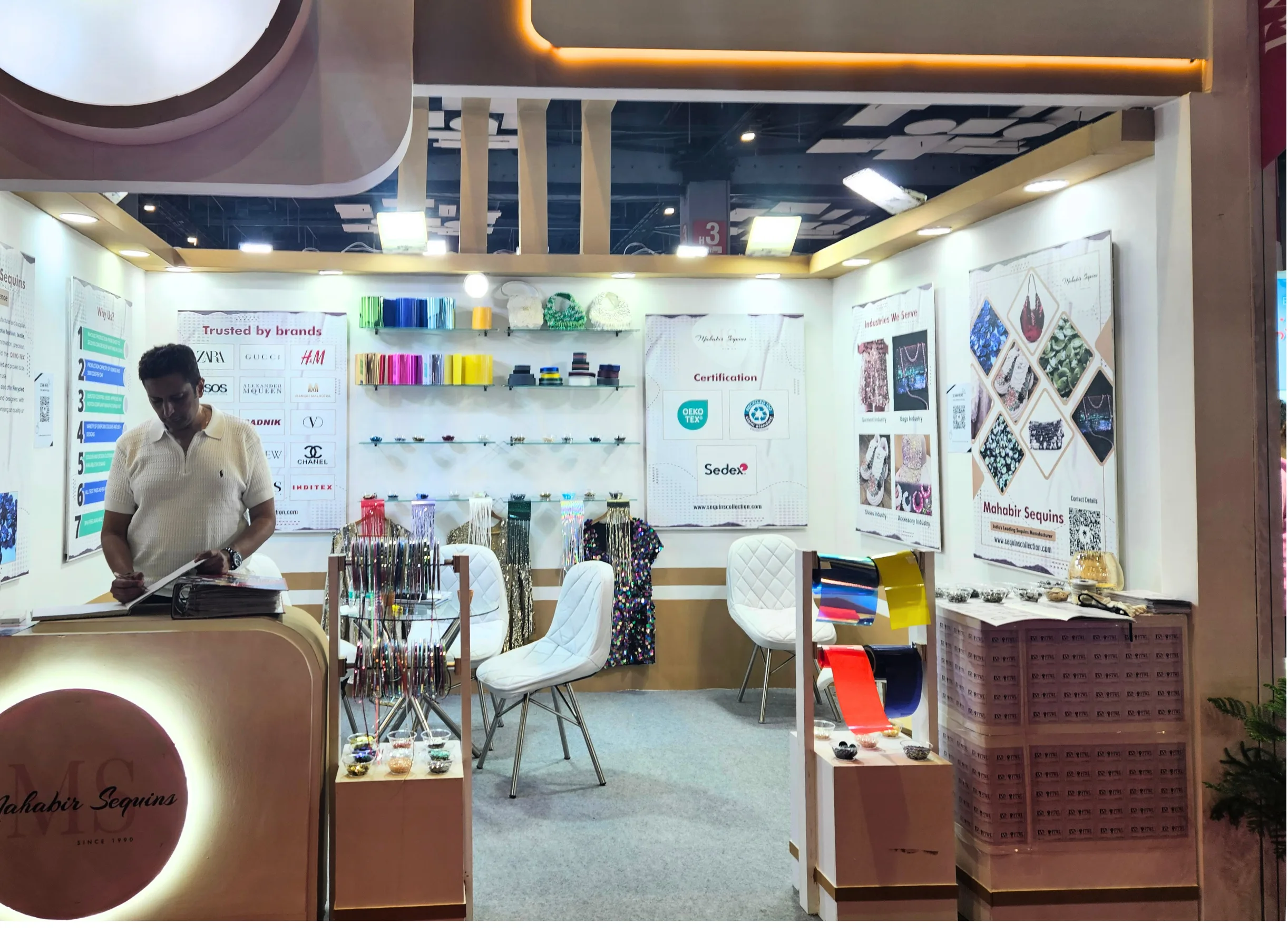
Every milestone begins with a first step and for us at Vijay Parsvanath Enterprises, that first step into the world of exhibitions came with the prestigious Textile Fair India at Pragati Maidan, New Delhi.
Participating in an industry exhibition is more than just booking a stall and showcasing products. It’s a chance to present who you are, what you stand for, and why your solutions matter. For over four generations, we have carried forward a legacy of precision engineering crafting high-quality buckles, sliders, zipper and a wide range of fittings and accessories for the textile, bag, and packaging industries, trusted by manufacturers across India and around the world. Yet, until now, most of our growth came from word-of-mouth, strong relationships, and repeat business.
This exhibition marked a shift our very first public platform to engage face-to-face with such a wide and diverse audience.
Why We Chose Textile Fair India
Textile Fair India is one of the country’s most prominent exhibitions for textile and allied industries. The event draws manufacturers, suppliers, exporters, designers, and buyers from across the country.
For us, Pragati Maidan wasn’t just a venue it was a stage.
A place where industry conversations happen, where innovations are unveiled, and where businesses like ours can connect directly with decision-makers.
We wanted to understand market expectations in real time, introduce our products to new buyers, and explore possibilities for collaborations beyond our existing network. And with 80+ visitors coming to our stall over the course of the exhibition, we knew the decision was the right one.
The Preparation: Behind the Scenes
For a company participating in its first exhibition, the preparation was as important as the event itself. Our focus was on clarity, presentation, and engagement.
We asked ourselves: What will visitors take away from our stall? How can we make our products stand out?
Here’s how we prepared:
- Product Curation: We carefully selected our range—buckles, sliders, tapes, and fittings—that represented our core strengths in durability, precision, and adaptability for multiple industries.
- Presentation Design: We kept the stall layout clean, product-focused, and informative. Every display was labeled for quick recognition, allowing visitors to immediately connect the part with its purpose.
- Storytelling: Alongside physical samples, we prepared visual material that narrated our heritage, manufacturing capabilities, and the value our components bring to end products.
- Team Alignment: Every member knew the product details, customer requirements, and our brand story ensuring consistent, confident conversations with visitors.
It was both exciting and humbling to see how much effort went into those few days of showcasing.
The Experience: 80+ Visitors, Countless Conversations
From the moment the gates opened, there was a steady stream of people manufacturers, procurement managers, designers, exporters, and even students studying textile technology.
Each conversation was unique:
- A bag manufacturer exploring stronger buckles for outdoor gear.
- A garment exporter looking for zippers that could handle high-volume production with consistent quality.
- A start-up experimenting with eco-conscious textiles and needing compatible fittings.
The diversity of visitors reinforced something we’ve always believed: small components can have a big impact. Our parts might be physically small, but they are critical in determining the quality, functionality, and user experience of a finished product.
Feedback That Matters
One of the biggest advantages of being at the exhibition was the instant feedback loop.
Visitors shared what they liked, what they struggled to find in the market, and what they expected from a supplier. This helped us identify emerging trends such as the growing interest in sustainable materials and the demand for lighter yet stronger fittings.
We also had the chance to clarify common misconceptions, such as the idea that all buckles and sliders are “standard” or “interchangeable.” In reality, even minor differences in design and manufacturing quality can significantly impact product performance.
Building Relationships Beyond Transactions
Yes, exhibitions are about business. But for us, they were equally about relationships.
Some visitors were immediately ready to discuss orders. Others were just beginning their search for new suppliers. And a few came purely to learn and exchange knowledge. Regardless of their buying intent, we treated every interaction as valuable—because in our industry, trust often precedes a purchase.
Several of these connections have already progressed to detailed discussions post-event, opening doors to markets and applications we hadn’t actively targeted before.
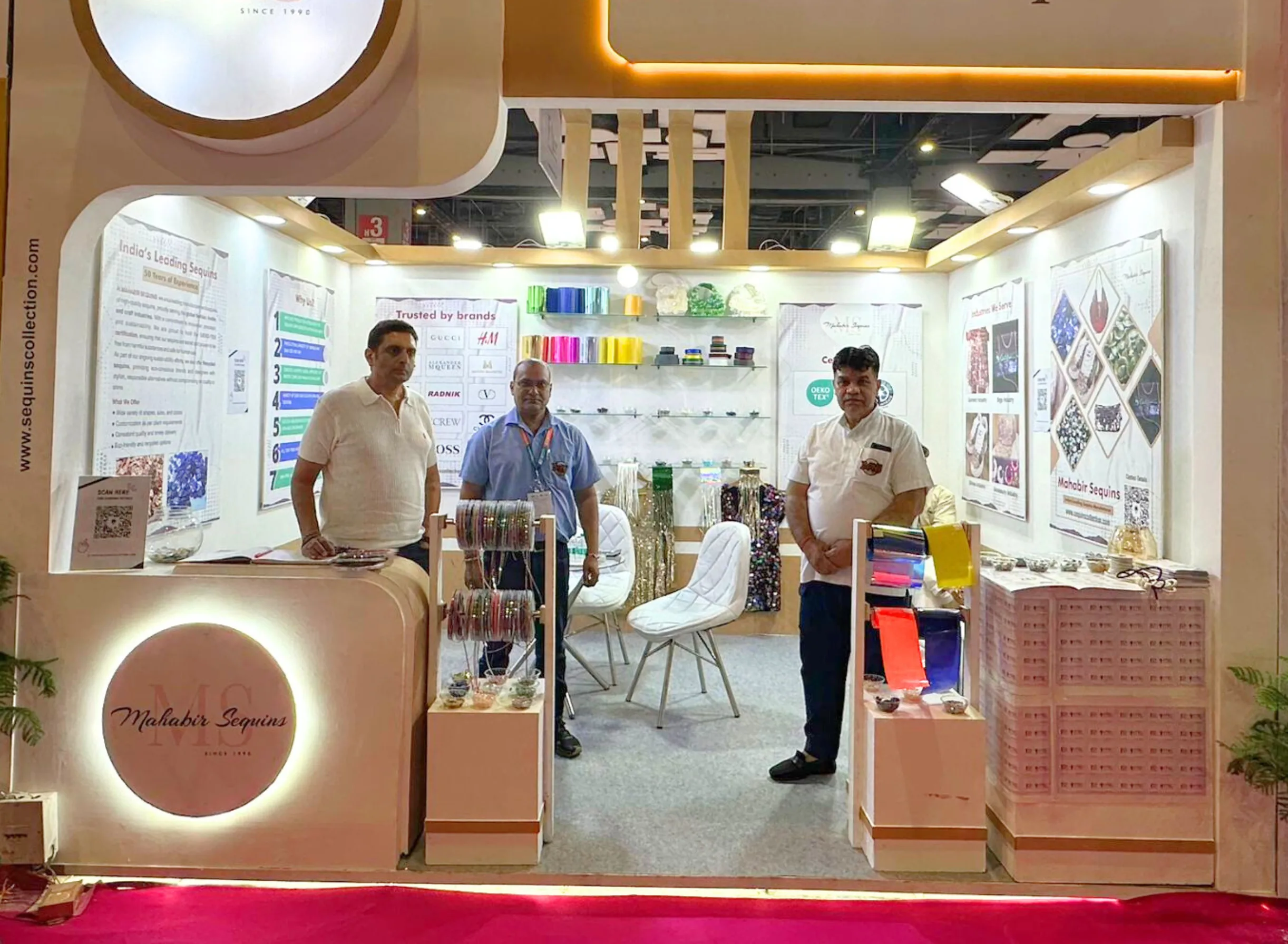
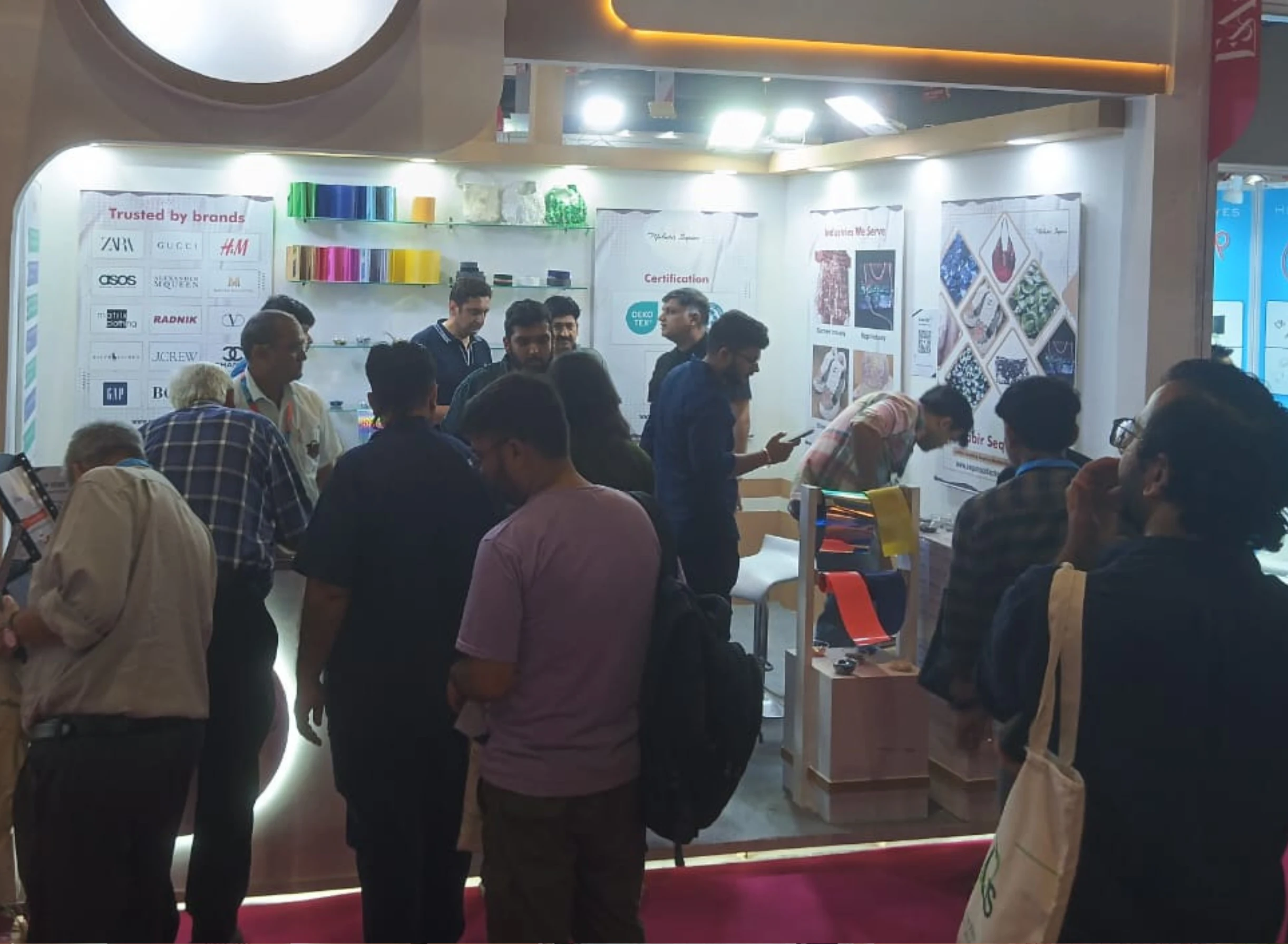
Our Key Takeaways from the First Exhibition
- Visibility Accelerates Opportunities – Even in a competitive market, simply being present at the right place creates visibility that no brochure or website can match.
- Products Speak Louder in Person – Samples in hand allowed visitors to feel the weight, texture, and precision of our products, leading to more meaningful conversations.
- Preparation is Non-Negotiable – A well-organized stall, trained team, and clear messaging made all the difference in standing out among dozens of exhibitors.
- Listening is as Important as Selling – Every visitor’s feedback gave us insights that will shape our product development and marketing approach.
The Role of Teamwork
While it was our first time as an exhibitor, the smooth execution was a direct result of our team’s commitment. From the meticulous planning phase to the energetic hosting at the stall, every member understood their role.
We worked not just to “show” products but to communicate the value behind them—years of expertise, precision manufacturing processes, and a dedication to Indian-made excellence.
A Quiet Confidence for the Future
Walking into the exhibition on the first morning, there was a mix of anticipation and uncertainty. Would visitors find our products relevant? Would our messaging connect?
By the end of the event, those questions were answered—not just in the number of leads collected, but in the quality of conversations and the recognition we received from peers and potential partners.
We returned with a quiet confidence: if this is what we can achieve at our first exhibition, the possibilities ahead are limitless.
Why This Exhibition Matters in the Bigger Picture
Our participation wasn’t just about three days at Pragati Maidan—it was about positioning Vijay Parsvanath for the next chapter of growth.
India’s textile and bag manufacturing ecosystem is expanding, and with it, the need for reliable, high-quality fittings is greater than ever. Exhibitions like Textile Fair India allow us to integrate more deeply into this value chain, not just as a supplier but as a partner who understands the evolving needs of the industry.
Looking Ahead: More Exhibitions, More Conversations
Our first exhibition is not going to be our last. In fact, the experience has strengthened our resolve to participate in more industry events—both within India and internationally.
We aim to continue showcasing the Made in India advantage, collaborating with manufacturers who value precision, reliability, and long-term partnerships.
If there’s one thing we learned, it’s that the right connections can happen in unexpected ways. A conversation at a stall can lead to a phone call, which can lead to a trial order—and that can evolve into a multi-year relationship. That journey often begins with showing up.
A Thank You to All Who Visited Us
We extend our gratitude to the 80+ visitors who took the time to engage with us during Textile Fair India. Your curiosity, questions, and feedback have left us inspired and motivated to keep improving.
Our first exhibition was more than a milestone—it was a mirror, showing us who we are today and who we can become tomorrow. And as we continue to innovate and refine our products, we look forward to meeting many more of you in the exhibitions to come.
Vijay Parsvanath Enterprises has always believed in building small parts with a big impact. This first exhibition was proof that when you combine experience, quality, and the courage to step into new arenas, you create not just products—but opportunities.